What to Do After You Notice a Dead Insect Following Treatment
When you notice a dead pest after treatment, the immediate feeling is usually a mix of relief and caution. For many homeowners and businesses using pest control scarborough treatments, seeing dead insects or rodents can be a normal after treatment sign that the service is doing its job. That said, what you see, when you see it, and what else is happening around the property all are important.
In Scarborough, where pest pressure can be affected by older housing, apartment buildings, and moisture from Lake Ontario, a dead pest can suggest several different things. It may be a clear sign of effectiveness, or it may be the first clue that more action is needed. The key is to stay calm, take the proper steps, and pay attention to the broader evidence of infestation rather than centering on one insect or rodent alone.
Is Noticing a Dead Pest Typical After Treatment?
Yes, seeing dead pests after service is frequently part of normal post-treatment pest activity. Many treatments rely on a residual insecticide or other management method that keeps working after the technician leaves. Pests may contact the treated surface later, then die in hidden areas or emerge into view as they weaken.
The exact pattern depends on the pest life cycle and the target pest species. For example, cockroaches and ants may remain active for a period before dying, while bed bugs often stay hidden in seams, furniture, and wall gaps, making the results less immediate and more spread out over a monitoring period. With rodents, dead activity may appear in less obvious places, or you may notice signs before finding the carcass.
It is also essential to remember that a pest treatment is not always a one-time event. Some infestations involve multiple stages, hidden harborage areas, and eggs or immature pests that were not affected right away. That is why a single dead pest should be interpreted alongside inspection results and ongoing observations. A professional inspection after treatment can help confirm whether the situation is moving toward control or if there is still active pest pressure.
In Scarborough homes and businesses, especially in neighbourhoods with older houses or dense housing near places like Kennedy Road, Midland Avenue, or along the Kingston Road corridor, pest movement can be more complicated because pests may shift from one unit or room to another after treatment. That makes post-treatment observations especially useful.
What You Need to Do Right Away
As soon as you discover a dead pest, handle it in a way that supports resident safety and keeps evidence if needed. Use protective gloves before touching the pest or any surrounding debris. If the pest is large enough or you think the company may want to identify it, use a paper tissue to lift it carefully.
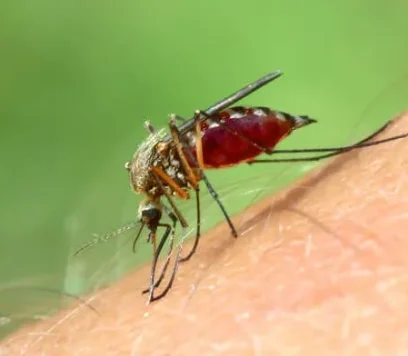
Put the pest into a sealed bag for disposal. This helps prevent odors, contamination, or accidental contact, and it keeps the specimen available if your provider asks to confirm the target pest species. If you suspect rodents, bed bugs, or a recurring cockroach issue, keeping a sample can be helpful during a follow-up inspection.
1225 Kennedy Rd, Scarborough, ON M1P 4Y1, Canada
+1 647-243-7241
https://maps.app.goo.gl/8SuLx1MkkqVJFc2m9 https://mosquitoman.ca/pest-control/scarborough/
43.7561897, -79.2751574
After disposal, wash your hands and check the surrounding area only if it is safe to do so. Look for other signs, such as droppings, egg cases, or live pest sightings. If the dead pest is near a treated surface, avoid scrubbing or wiping it immediately unless your technician told you to do so. The product may need time to continue working.
For businesses and apartment managers in Scarborough, especially in a commercial property or apartment building, documenting where the pest was found can help your provider map localized activity. Note the room, date, and whether the pest was near baseboards, under appliances, or along a wall crack. These details can support better exclusion measures and follow-up service.
When a Dead Pest Means the Treatment Is Working
A dead pest can be a good indication that the treatment is taking effect, but it should be reviewed in context. Your provider may review inspection results to determine whether the dead pest aligns with the original issue and whether there is evidence of a dropping population. If the dead pest is the same target pest species identified during service, that is usually a encouraging sign of effectiveness.
For example, if your property had a cockroach problem and you are now finding few dead cockroaches with no new droppings or live activity, that often suggests population decline. The same may be true for ants after baiting, especially if the treatment addressed nests and travel routes. With bed bugs, a few dead insects after treatment can be expected, but the larger trend matters more than a single finding.
Technicians often use a follow-up inspection to confirm whether the number of live pests is continuing to fall. They may check baseboards, cracks and crevices, kitchen voids, and other likely hiding places. They may also look for evidence that pests are no longer using hidden harborage areas. If fewer live pests are found and the dead ones are consistent with the treatment plan, then the service is likely on the right track.
In Scarborough, where many homes and businesses sit close to shared walls or common utility spaces, a reduction in sightings is especially important. In a townhouse row or older duplex, a dead pest may indicate that treatment is suppressing activity, but coordinated action may still be needed nearby to stop pests from moving back in.
When to Contact Your Pest Control Provider Again
Even if dead pests are common, there are times when you should contact your provider again. If you continue seeing live pests after the expected monitoring period, or if new droppings, egg cases, or nesting signs appear, you may be dealing with a reinfestation or a persistent infestation that needs more attention.
You should also contact if the dead pests are appearing in large numbers well after treatment, if you notice unusual activity in several rooms, or if the problem seems to be spreading between units. This matters especially in multi-unit housing, where pests can travel through shared walls, plumbing penetrations, and hallways. In an apartment building or condo near Scarborough Town Centre, coordinated follow-up service can be essential because one treated unit may not be enough if adjacent units have untreated activity.
Check whether your service includes a treatment warranty. Many professional plans offer a specific window for reassessment or re-treatment if the pests return or the initial control is incomplete. If that is the case, report what you are seeing as soon as possible and ask whether a follow-up inspection is recommended. This applies especially for bed bugs and rodents, where hidden activity can continue even after visible pests decline.
A provider may also want to adjust the treatment if the original plan did not fully match the pest lifecycle or the pest pressure on the property. For example, if ants are still entering from an outdoor nest, or cockroaches are coming from neighboring units, more targeted exclusion measures and sanitation practices may be needed.
How to Spot what sets apart Between a Dead Pest and an Active Problem
Finding one dead pest does not always mean the issue is over. To tell the difference between a one-time result and an active problem, look for additional evidence of infestation.
Begin with droppings. Recent droppings can signal ongoing rodent or cockroach activity. For rodents, droppings near food storage, along walls, or behind appliances are a clear warning sign. For cockroaches, small dark droppings in cupboards, under sinks, or around warm appliances often suggest the population is still active.
After that, check for egg cases. Cockroach egg cases, bed bug eggs, or other reproductive signs indicate that pests may still be reproducing in the area. If you find egg cases after treatment, the problem may not be resolved, even if dead pests are showing up.
Also pay attention to live pest sightings. If you still see pests active at night, crossing baseboards, or appearing in the kitchen or bathroom, the issue is ongoing. Dead pests alone can happen during the treatment timeline, but live activity after treatment points to a stronger need for reassessment.
In Scarborough, moisture-prone areas can make this more complicated. Basements, kitchens, and bathrooms may provide favorable conditions for pests because Lake Ontario humidity can increase dampness. In older homes in Scarborough, small gaps around plumbing, aging trim, and worn flooring can create ideal hidden harborage for pests even after an initial service.
Consider the full picture: dead pests plus no droppings, no egg cases, and no live sightings typically indicates improvement. Dead pests plus fresh evidence of activity usually means the problem is still active.
What Not to Do After Spotting a Dead Pest
It is simple to panic after spotting a dead pest, but some actions can disrupt the treatment or make the situation harder to assess. One of the biggest mistakes is overcleaning. If you wipe treated surfaces too soon, you may remove the product before it has finished working. This can reduce residual control and diminish the overall result.
Another mistake is spraying DIY products on top of a professional treatment. Home sprays, foggers, and strong cleaners can interfere with baiting or repellents, and they may push pests into new areas. In the case of cockroaches and ants, DIY spraying can make the infestation more difficult to track. With bed bugs, it can spread the problem into new hiding spots.
You should also steer clear of disturbing treated areas. If your technician placed product along baseboards, in cracks and crevices, or around voids, leave those areas alone unless instructed otherwise. Vacuuming, wiping, or moving furniture right away can lower the effectiveness of the treatment and make it harder to assess the results.
This is especially important in commercial property settings, where staff may be tempted to clean aggressively as soon as pests are seen. While cleanliness matters, timing matters too. Let the monitoring period to take effect, and follow the service instructions provided by your pest professional.
Scarborough-Specific Factors That Affect Pest Treatment
Scarborough has multiple factors that can influence how you understand a dead pest after treatment. One major factor is Lake Ontario humidity, which can contribute to moisture in basements, kitchens, bathrooms, and laundry rooms. Damp conditions often raise pest pressure because insects and rodents look for water, warmth, and shelter.
Another point is the mix of property types across the area. Scarborough includes older homes in Scarborough, town houses, semi-detached homes, and many tall and lower-rise apartment buildings. That mix changes how pests move and how treatments work. Older houses may have extra cracks and crevices, aging utility penetrations, and worn building materials that create entry points. Apartment buildings and other multi-unit settings can allow pests to move through walls, ceiling voids, and shared infrastructure.
In multi-unit housing, one tenant’s treatment may be affected by pest movement from neighboring units. This means a dead pest can be encouraging evidence, but not the final result if nearby units still have ongoing pest activity. Joint service is often necessary to stop the cycle.
Scarborough’s community layout also matters. Whether the property is near Guildwood, Agincourt, Birch Cliff, or closer to the Scarborough Bluffs area, local structure age and nearby green space can influence pest activity. Seasonal changes can intensify pest movement indoors, especially during colder months or wet periods when pests seek shelter inside.
Preventing Future Pest Problems in Scarborough Homes and Businesses
Once the immediate issue is handled, the next best next step is stopping future issues. Start with entry points. Fill gaps around doors, windows, pipes, vents, and utility lines. Even tiny openings can let ants, cockroaches, and rodents enter. For more lasting control, pair sealing work with exclusion measures like door sweeps, screens, weather stripping, and repair of damaged trim.
Cleanliness is equally important. Leave food sealed, clean crumbs and spills quickly, empty waste often, and reduce clutter that can create hiding places. Good hygiene routines help remove the food and shelter that pests need to survive. In kitchens, storage rooms, break rooms, and basements, routine cleaning can help significantly.
Take special care with base trims and small gaps and openings, because they often serve as movement routes and concealment areas. If you see recurring pest activity around these areas, report it during your next professional inspection. They can indicate a hidden harborage that needs service or restoration.
Seasonal shifts also count. Seasonal pest prevention should be part of ongoing property care in Scarborough because pest pressure often increases during shifts between warm and cool weather. Springtime and the fall season are especially important for inspecting around doors, windows, balconies, and basement areas.
For businesses, campuses, food service venues, and rental properties, preventive care should include routine reviews, team instruction, and scheduled expert inspection calls. In a active commercial property, a minor issue can become a larger one fast if warning signs are ignored. In homes, a consistent monitoring habit can spot problems early, before they become a ongoing infestation.
Overall, the most effective long-range approach integrates remediation, monitoring, and protection. In https://caledon-ondn908.swiftnestly.com/posts/top-eateries-in-oshawa-on-community-dining-destinations-and-top-rated-dining other words looking out for dead pests, but also checking for the conditions that allow them to return.
FAQ: Dead Pests After Treatment in Scarborough
Is this normal to notice dead pests after pest control treatment?
Yes. Finding a deceased pest after treatment is often normal after treatment and can be a sign that residual control is working. What matters most is whether you also see active pests, droppings, egg cases, or other evidence of infestation. If the dead pest is the same as the target pest species from the original service, that is usually a positive sign of effectiveness.
How long after treatment should I keep find dead pests?
That depends on the pest life cycle, the product used, and the size of the infestation. Some after-treatment pest activity may persist during the monitoring period as pests contact the treated surface. Your technician can outline the expected treatment timeline for your situation, especially for cockroaches, ants, bed bugs, or rodents.
Should I clean up dead pests immediately after treatment?
Wear protective gloves and place the pest in a sealed bag for disposal, but refrain from overcleaning the treated area unless your provider instructs you to do so. Disturbing treated areas too soon can weaken the effect of the product. If you are unsure, ask your pest control provider before cleaning.
What signs mean the treatment did not fully work?
Signs that the treatment may not have fully worked include fresh droppings, egg cases, ongoing live pest sightings, and pests appearing in multiple areas after the treatment timeline should have passed. Reinfestation is also possible in multi-unit housing or older homes in Scarborough if entry points are still open or neighboring units remain active.
When should I call my pest control company back in Scarborough?
Call your provider if live pests keep appearing, if the problem spreads, or if you suspect a persistent infestation. You should also reach out for a follow-up inspection if your treatment warranty allows it, especially in apartments, townhomes, or commercial property settings where pest movement between spaces is common. A prompt follow-up service can help confirm whether the issue is resolved or if more treatment is needed.